Religious Education
St Augustine’s Primary School is part of the St Francis Xavier Parish, Frankston. The School and the Parish respect, encourage and support parents in their role as first educators of their children in faith.
Our school invites and supports students to discover God’s presence in their daily lives. Within a gospel-centred environment, students are challenged and supported to understand themselves and the world in which they live through a world view founded in Scripture and in the traditions of the Catholic community − its stories, its worship, its experiences and its teachings.
Religious education is at the centre of the Catholic school curriculum, and is reflected in a visible Catholic symbolic culture and active sacramental and liturgical practice. Religious education explores students’ life experiences in the context of Church teachings and tradition. Participation in religious education is compulsory for all students in our school.
The Religious Education program is planned and implemented through the Coming to Know, Worship and Love texts, as well as through a rich inquiry curriculum.
The school provides opportunities for parents and children to worship through the celebration of Sacraments and prayer. Parents are expected to support the Religious Education program by attending family nights, helping to prepare their child for Sacraments and supporting their child when family activities arise, related to Religious Education.
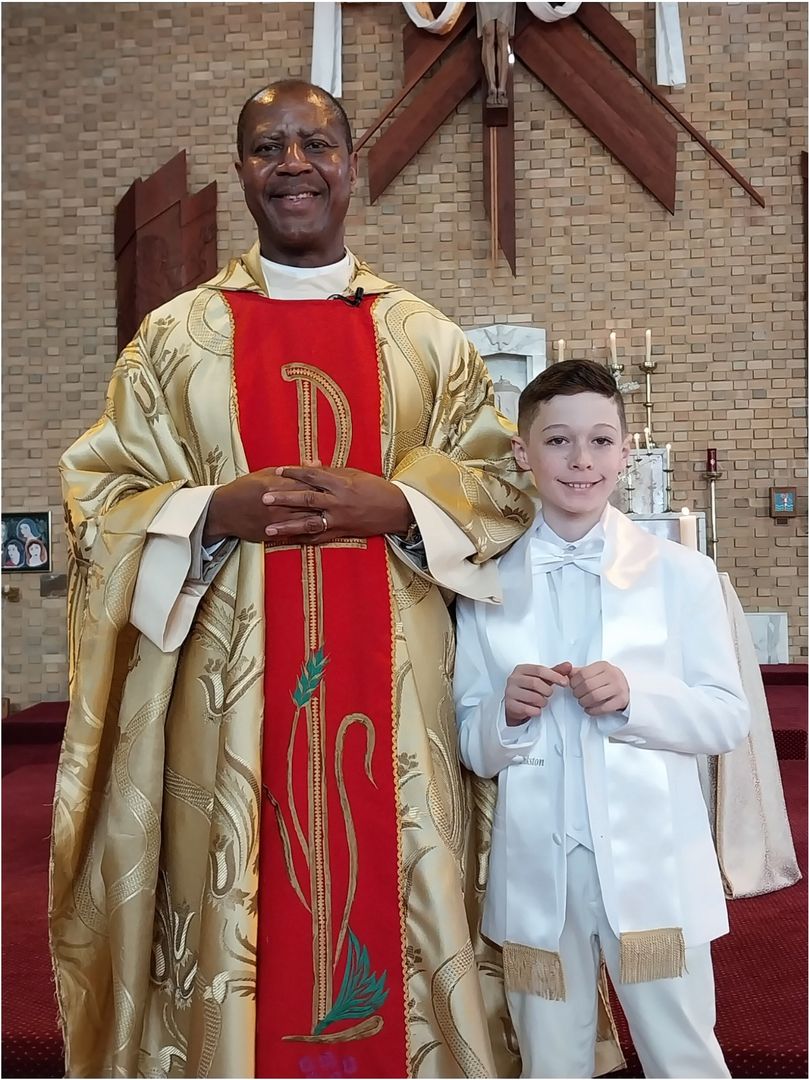
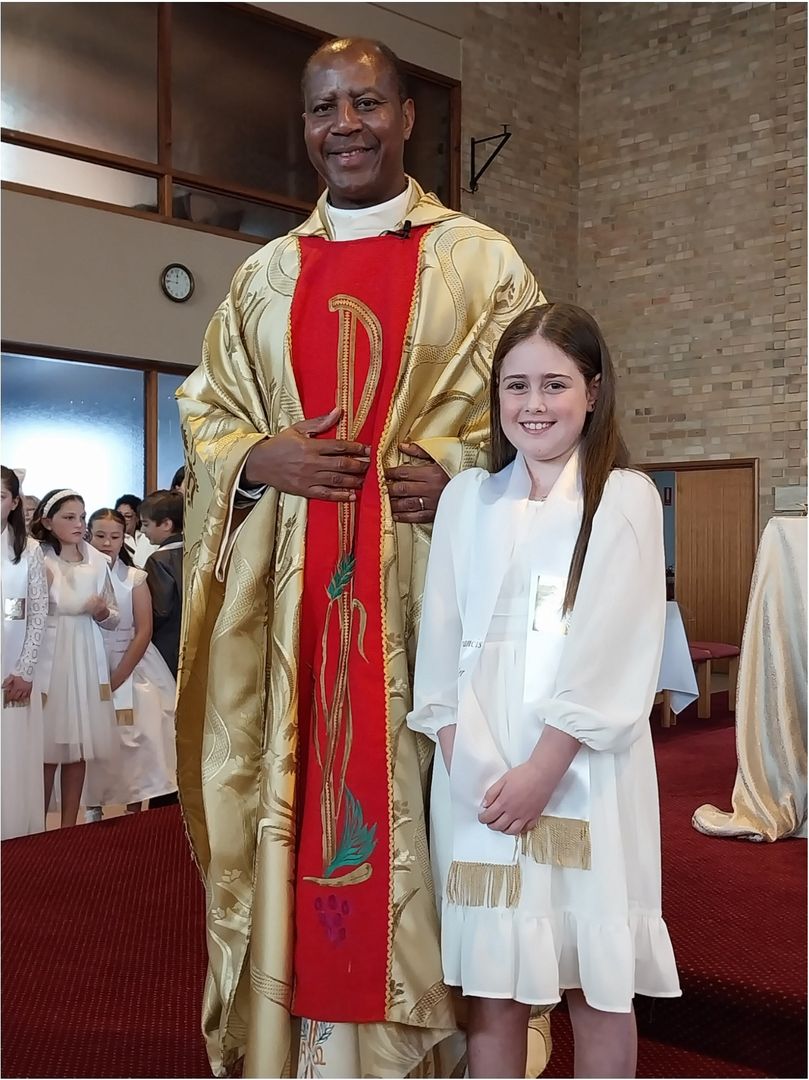
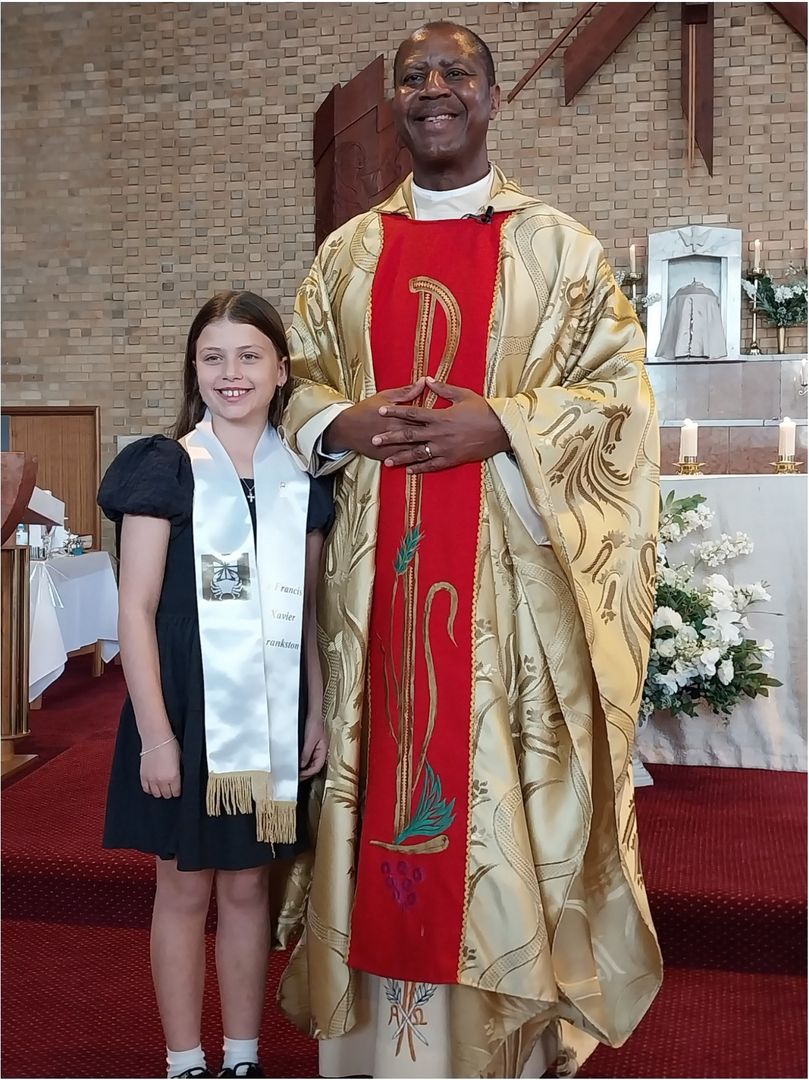
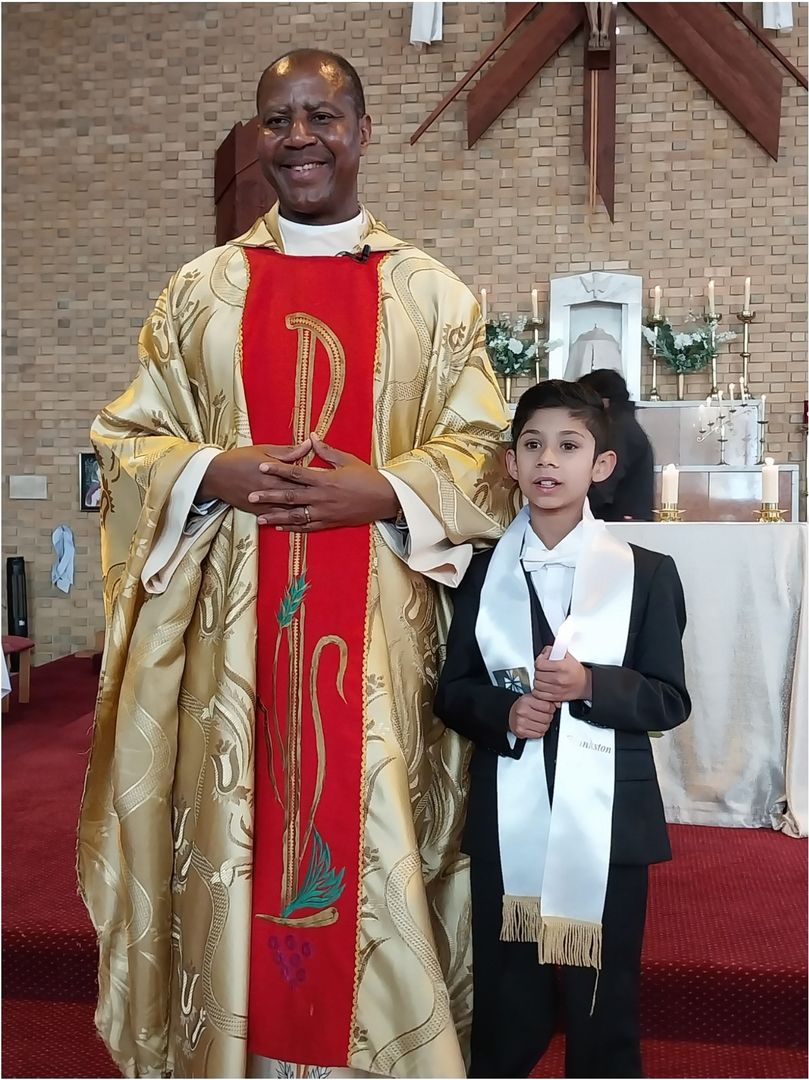
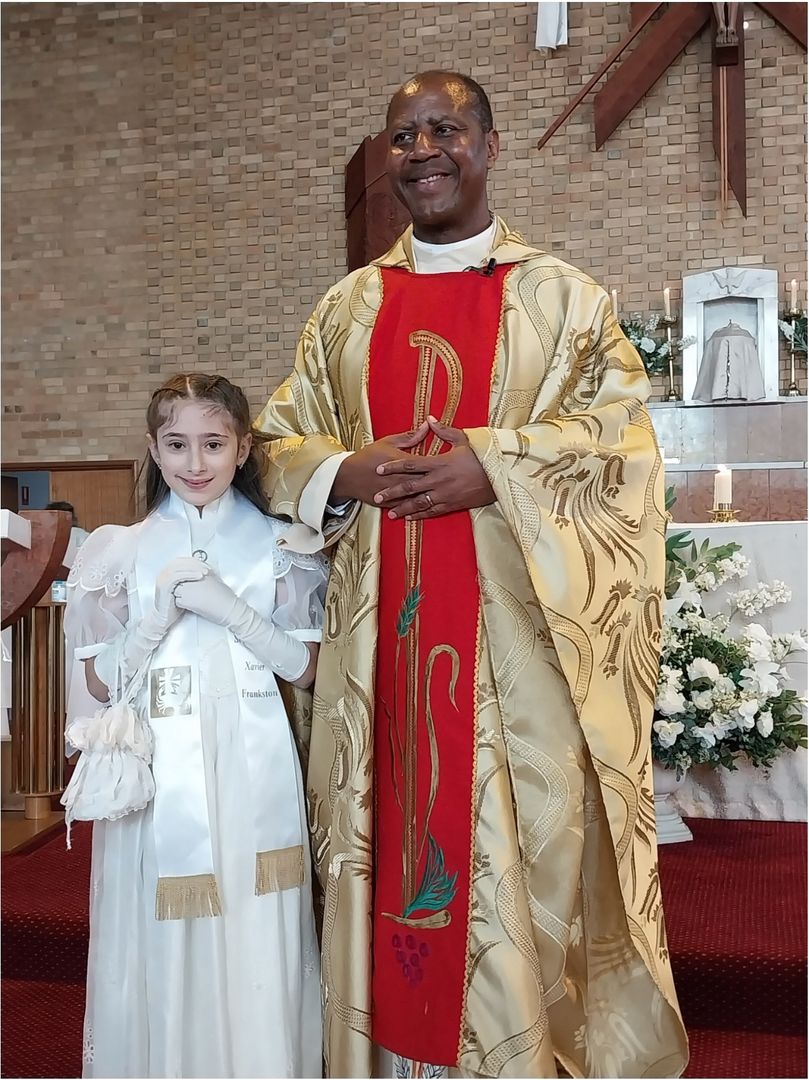
In Year Four, the children receive the Sacraments of Reconciliation and Eucharist. Year Six students receive the Sacrament of Confirmation.
Baptism and joining God's family can be arranged through the school.
MACS Statement of Mission
Catholic schooling seeks to provide the young with the best kind of education possible, one that fosters a formation of the whole person that is deeply and enduringly humanising.1
Education is integral to the mission of the Church to proclaim the Good News. First and foremost every Catholic educational institution is a place to encounter the living God who in Jesus Christ reveals his transforming love and truth. This relationship elicits a desire to grow in the knowledge and understanding of Christ and his teaching. In this way those who meet him are drawn by the very power of the Gospel to lead a new life characterized by all that is beautiful, good, and true; a life of Christian witness nurtured and strengthened within the community of our Lord’s disciples, the Church.2
With parents and parishes, Catholic schooling seeks to fulfil this mission by providing an environment in which students are enabled to:
- encounter God in Christ and deepen their relationship with him
- pursue wisdom and truth encouraged by a supportive academic culture
- grow in the practice of virtue, responsible freedom and serving the common good.
A Catholic school:
- is actively embedded in the life of the faith communities of the local Church, which in turn is tangibly manifest in the life of each school
- is an essential place for the evangelising of children and young people
- prioritises the forming of missionary disciples of Jesus
- exists to assist students and their families to integrate faith, reason, life and culture3
- is conspicuously Christian in outlook, explicitly Catholic in faith and practice, and intentionally missionary in orientation
- cultivates spiritual, social and emotional growth in a safe and protective environment
- provides a learning environment in which the whole educational community is formed to embrace life in all its fullness (John 10: 10)
- offers a human formation that has the intellectual, practical and moral excellence of learners at its heart
- forms consciences, fosters peace and develops respectful dialogue at the service of intellectual charity
- encourages the discovery of Catholic cultural heritage, especially in art, music, literature and architecture.
Catholic schools, which always strive to join their work of education with the explicit proclamation of the Gospel, are a most valuable resource for the evangelization of culture.4
The good work of educating the young, undertaken in the light of the Gospel, is a co-responsible task led by every member of the Catholic school community. Modelled by parents, principals and teachers, in prayer and with wisdom, through witness and by example, Catholic schooling is at the service of the integral human formation of children and young people in Christ.
A Catholic school is eucharistic in character. The sacramental and prayer life of the local Church, especially in the gathering of God’s People in Sunday Mass, is integral to the mission of a Catholic school and indispensable to its richness. A fruitful sign of the living witness of faith with parents and parishes is the participation of students and families in the life, mission and work of the local faith community, especially in the call to worship God and to serve the poor and marginalised (Acts 2: 42–47).
By cultivating a maturing of faith and the intellectual life through the modelling of good relationships, Catholic school students are prepared for living fruitfully in the world.
1Pope Francis, Christus Vivit, Libreria Editrice Vaticana, Rome, 2019, n. 223.
2Pope Benedict XVI, Address to Catholic Educators, Libreria Editrice Vaticana, Rome, 2008.
3Pope Francis, Christus Vivit, Libreria Editrice Vaticana, Rome, 2019, n. 222.
4Pope Francis, Evangelii Gaudium, Libreria Editrice Vaticana, Rome, 2013, n. 134.
.jpg)


© Copyright St Augustine's School